
Can Your Home Accommodate a First-Floor Primary Suite Addition?
For many homeowners, the stairs become a bigger part of the conversation over time. Maybe you plan to stay in your home for decades and want the option to live on one level…
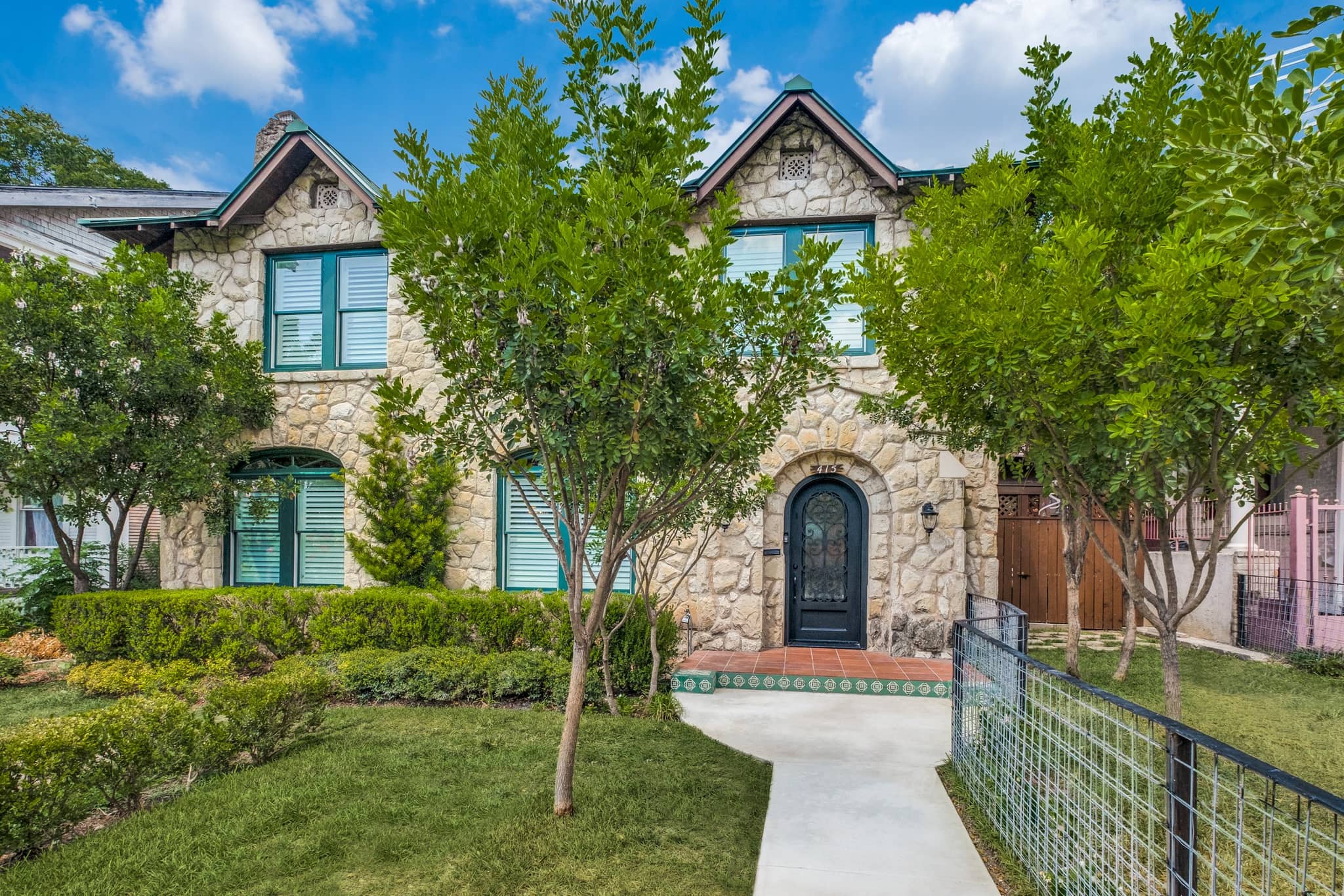
San Antonio has no shortage of older homes with character. Original hardwood floors, plaster walls, tall ceilings, wide front porches and established trees draw many homeowners to neighborhoods that have been around for generations.
When you're remodeling an older home, it's natural to focus first on what you'll see: the new kitchen, the updated bathrooms, the fresh paint and lighting. But in older houses, the most important decisions often involve what's behind the walls, under the floors and above the ceiling.
Evaluating those conditions early helps you build a realistic plan and budget and avoid surprises once construction begins. Use this as an older home renovation checklist before you finalize the design.
The foundation is one of the first things to evaluate in any older home, and it's especially important in San Antonio.
Many of the city's older homes sit on pier-and-beam foundations, while others are on slabs poured decades ago. The area's expansive clay soils swell when wet and shrink during dry periods, and over many years that movement can affect how a foundation performs.
Signs worth paying attention to include sloping or bouncy floors, doors and windows that stick or won't latch, cracks in interior walls or exterior brick and gaps around trim.
Some movement is normal in an older home. Other conditions may need repair before new finishes go in. Addressing foundation concerns first protects your investment, because new tile, cabinets and countertops don't perform well on a structure that's still moving.
Older homes may still have original plumbing materials that are near the end of their useful life.
Galvanized steel supply lines, common in homes built before the 1960s, can corrode from the inside, reducing water pressure and eventually leaking. Cast iron drain lines can crack or deteriorate over time. Some homes also have a mix of old and newer materials from previous repairs.
During a whole-home renovation, walls and floors are often open, which makes it a practical time to replace aging lines. A camera inspection of the main sewer line can also reveal cracks, root intrusion or other problems that are far easier to address while the project is underway.
Electrical systems in older homes weren't designed for how we use power today.
Depending on the home's age, you may find knob-and-tube wiring, aluminum branch wiring, ungrounded two-prong outlets, undersized electrical panels or circuits that have been extended and modified by previous owners. Many older homes also lack the GFCI and AFCI protection required in new work today.
A remodel that adds kitchen appliances, a larger primary bathroom, more lighting or an EV charger can push an older electrical system beyond its capacity. A licensed electrician should evaluate the panel and wiring as part of the planning process, and your builder can help determine what needs to be updated as part of the project.
Comfort is a major part of how a home feels after a remodel, and in a San Antonio summer, cooling performance matters.
Older homes may have aging heating and cooling equipment, undersized or leaky ductwork or duct runs that don't reach certain rooms well. If your remodel opens walls, changes the layout or adds square footage, the HVAC system needs to be evaluated as part of the plan.
It's also a good time to consider how air moves through the home. A new layout may change which rooms need supply vents and returns.
Many older homes were built with little or no insulation in the walls and attic. Windows may be single-pane, and gaps around doors, windows and penetrations can let conditioned air escape.
Improving insulation, air sealing and windows can make the home more comfortable and reduce energy costs. When walls are already open, adding insulation is far easier than it will be later.
In historic homes, original windows may be part of the house's character. Restoring and weatherizing them may be preferable to replacing them, and in a designated historic district, exterior changes like window replacement may require review and approval from the City of San Antonio's Office of Historic Preservation before work begins.
Check the roof's age and condition, along with the attic framing, ventilation and any signs of past leaks. Water stains on ceilings, damaged decking or poor ventilation are all worth addressing before interior finishes are replaced.
Drainage around the house matters too. Gutters, downspouts and grading that direct water away from the foundation help protect both the structure and the investment you're making inside.
Homes built before 1978 may contain lead-based paint, and older homes may also contain asbestos in materials such as flooring, ceiling texture, pipe insulation or siding.
These materials aren't always a problem when left undisturbed, but remodeling often involves cutting, sanding or removing them. Testing before demolition helps determine whether special handling or abatement is needed and keeps your family and the crew safe.
Older homes often have a history of changes made by previous owners. Walls may have been removed, additions built or rooms converted over the years, and not all of that work was done to current standards.
During planning, it's important to understand which walls are load-bearing, whether framing has been altered or damaged and whether earlier additions were properly connected to the original house. Termite damage and wood rot are also worth checking for, particularly around bathrooms, exterior doors and areas with past leaks.
Evaluating an older home isn't only about finding problems. It's also about identifying what makes the house special.
Original hardwood floors can often be refinished. Solid wood doors, trim, built-ins and fireplaces may be worth restoring. Tall ceilings, generous windows and architectural details can help the remodel feel rooted in the home's history rather than imposed on top of it.
The best renovations of older homes balance modern function with respect for the original architecture. A new kitchen or bathroom can feel fresh and current while still belonging in the house.
One of the biggest advantages of a whole-home renovation is the ability to address these systems in the right sequence.
Foundation repairs come before new flooring. Plumbing and electrical updates happen while walls are open. Insulation goes in before drywall. Roof and drainage issues are addressed before interior finishes are installed.
When the work is planned this way, each phase supports the next, and you're less likely to undo finished work to fix a problem underneath it.
Remodeling an older home can be one of the most rewarding projects a homeowner takes on. You keep the location, character and charm you love while making the house work for how you live today.
At KM BUILDERS, we help San Antonio area homeowners look beyond the finishes and understand the full picture before construction begins. By evaluating the structure, systems and character of the home early, we can help you plan a renovation that is beautiful, comfortable and built to last.
Share your email and we’ll personally reach out to learn more about your project and to schedule your free consultation with our team.
For many homeowners, the stairs become a bigger part of the conversation over time. Maybe you plan to stay in your home for decades and want the option to live on one level…
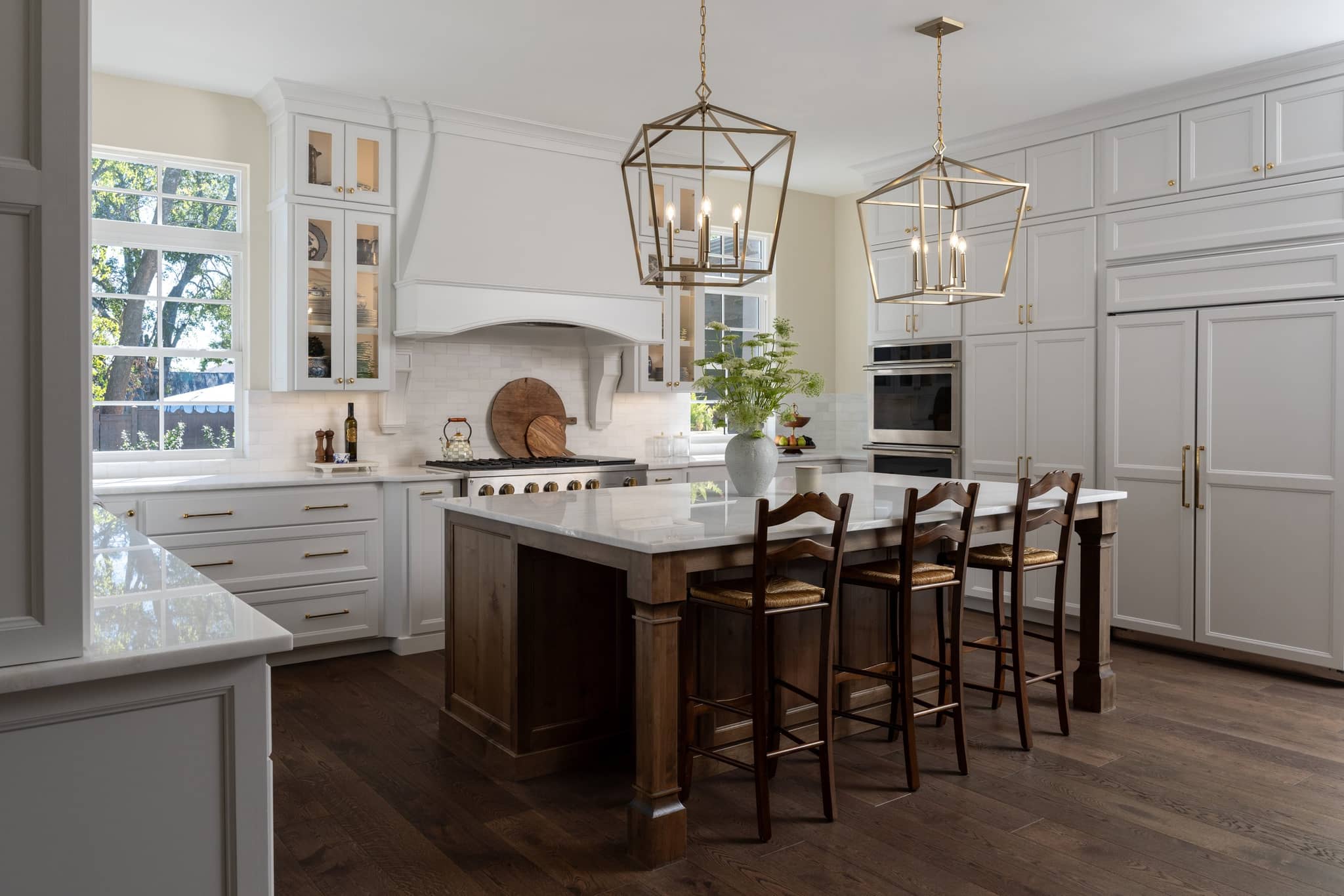
The holidays bring more people into our homes, more meals around the table, and more opportunities to gather with family and friends…
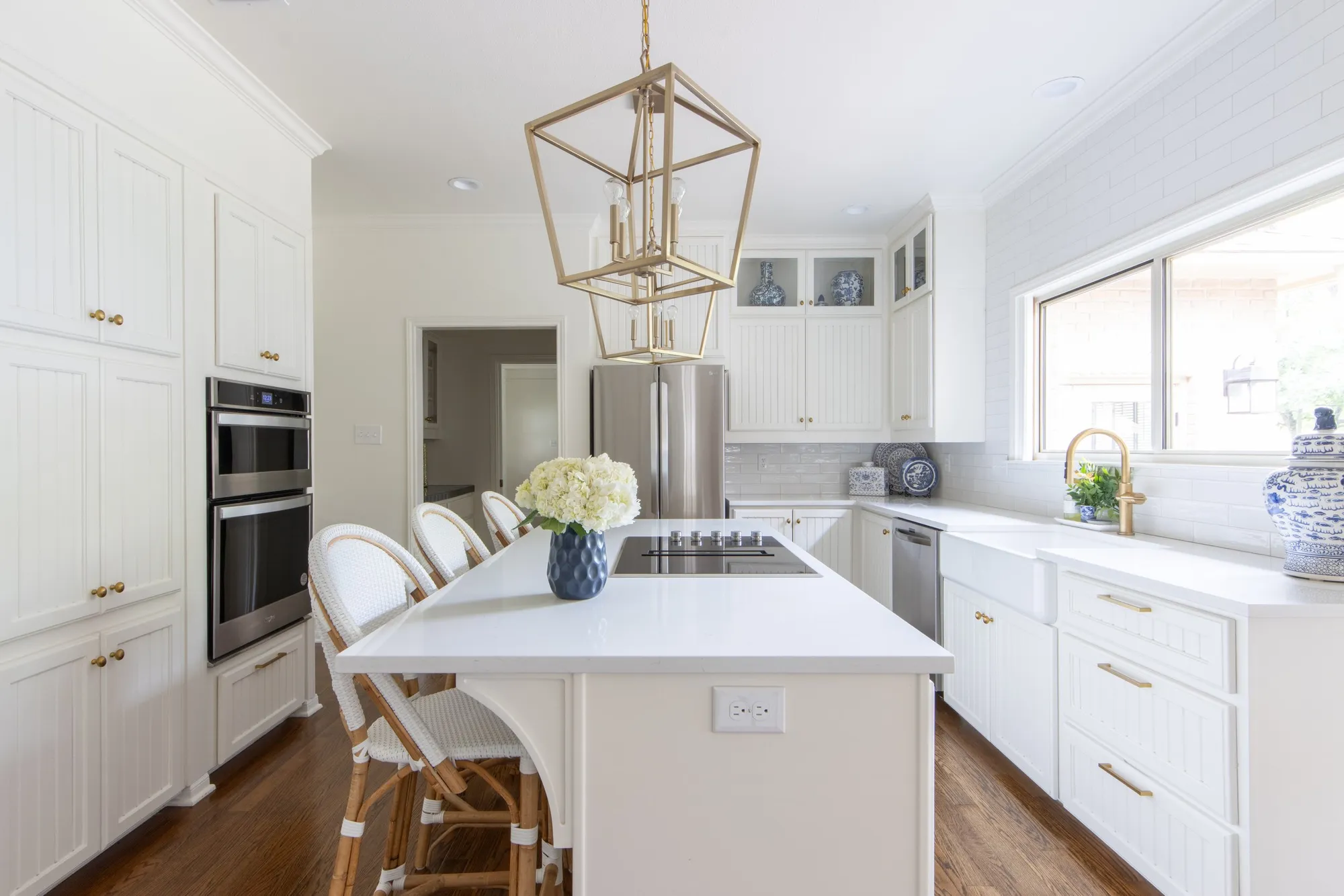
A successful kitchen renovation starts long before demolition day. By the time cabinets are coming down and walls are being opened, many of the decisions that…