Should You Remodel or Move? A San Antonio Homeowner’s Guide
Asking yourself if you should remodel or move doesn’t usually happen randomly. It’s often because you’re fed up with how your kitchen functions, you’re dealing with an older bathroom with inadequate storage, or are simply outgrowing your existing layout. You might find yourself rearranging things, making small adjustments and telling yourself “it’s fine.” But over time, this leads to a bigger question:
Do you keep working around it? Or do you change it? Or should you just pack up and move?
Before you compare homes somewhere else in San Antonio or plan for a renovation, it helps to understand what each option can solve for you.
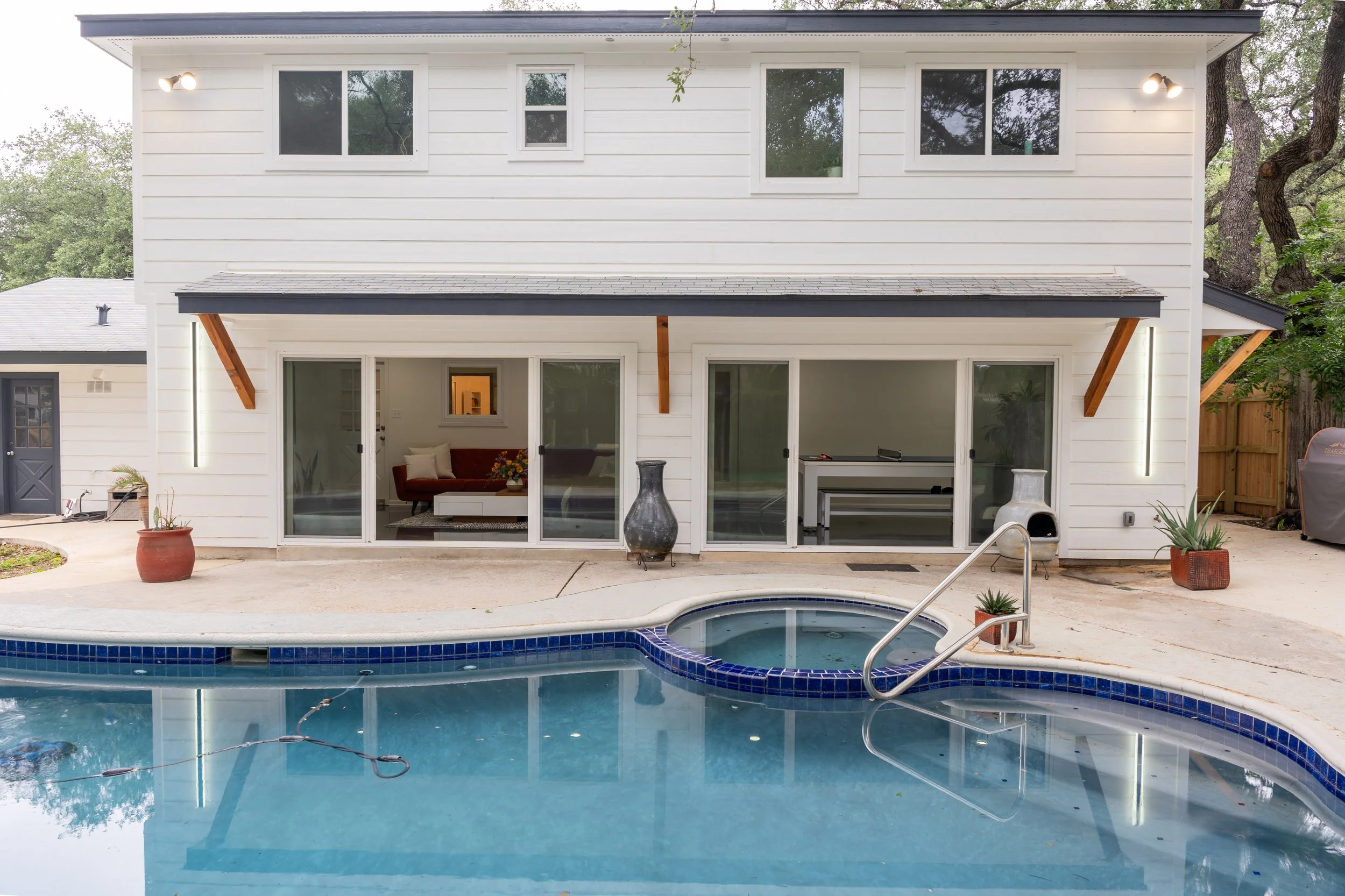
What Are You Trying to Fix?
The first question is pretty simple, but it’s often skipped. What isn’t working?
If layout is an issue, that can often be changed. A kitchen remodel can create a more open floor plan and change how rooms flow into one another. A bathroom remodel can add storage and improve how the space is used. If the issue is space, it might be possible to rework to make areas feel more open. If the issue is storage, it can be built in.
But, not every problem is inside the home. If the issue is location, commute, or accessibility, remodeling won’t solve that. If the problem is within the structure of the home, remodeling may be your best option. If the problem is outside of it, moving might be a more ideal option.
How Much Does Either One Cost?
When asking about the cost of remodeling today in San Antonio versus buying a new home, you might be looking at numbers but not at what those numbers include. Buying a home goes further than the purchase price. There are closing costs, moving expenses, and there may be small updates after you move in. It’s also important to consider financing, as interest rates affect what you pay over time.
Remodeling works a bit differently. The investment goes into specific areas of the home. You’re not paying for land again, and you’re not resettling your loan. You’re improving what you already have. For many homeowners, the cost of remodeling vs buying a new home becomes more about where the money’s going.
What Moving Solves and What It Doesn’t
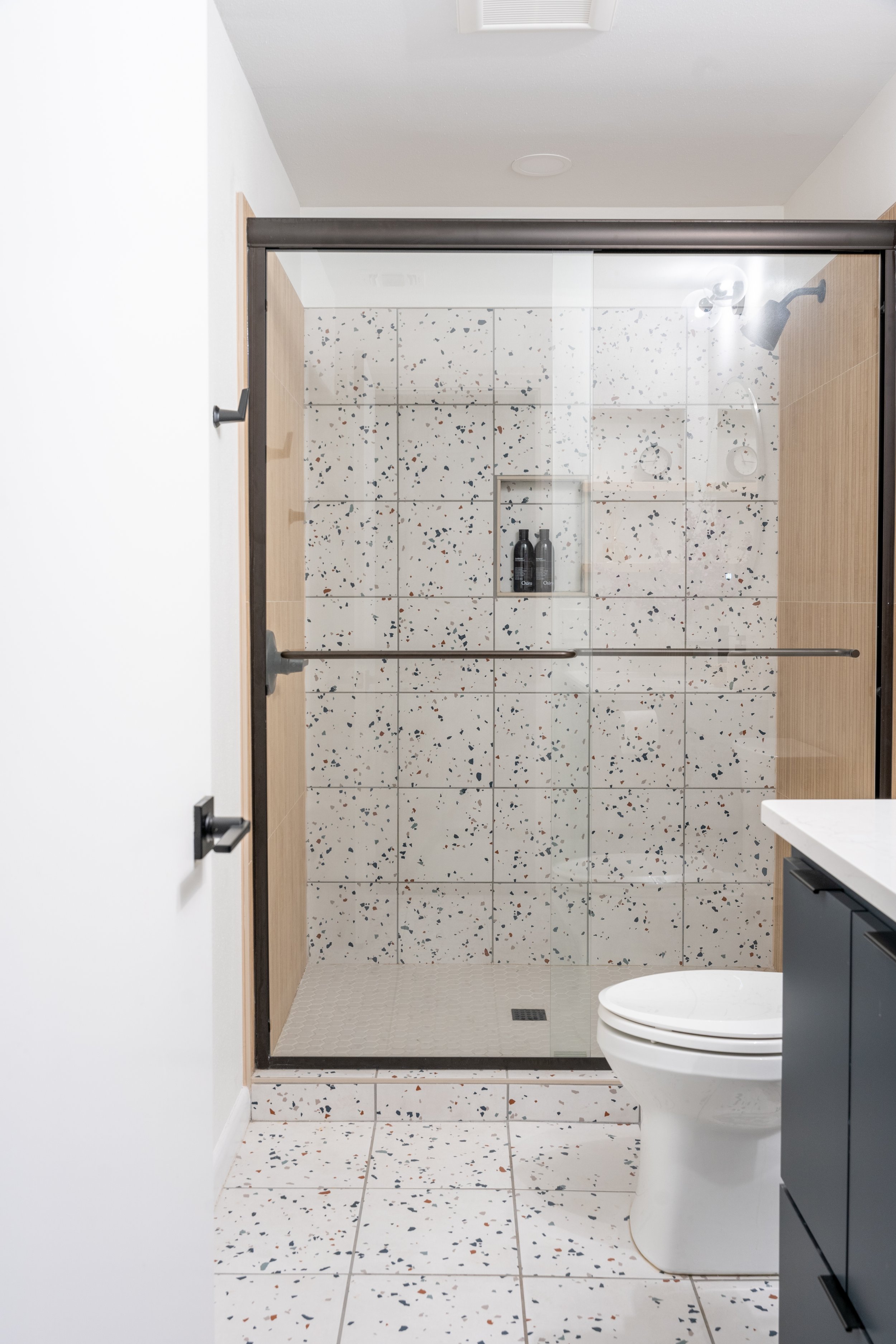
Walking into a new home is typically when you see it at its best. It’s clean and staged, making it easier to picture yourself living there. The details are updated, the layout appears to work better, and it might feel like what you’ve been missing in a home. However, all of these factors could hide the functionality of the home. It might look like there is enough storage, but the location could be inconvenient or it may not be what you need. The kitchen looks roomy until the whole family is rushing to get out the door in the morning. There are things you only learn once you start living in the home.
These factors play into why many homeowners decide to make changes even after they move. The difference is that those changes are costing even more after you’ve already taken on the cost of buying. Moving can solve certain problems quickly like a change of location, increasing square footage, or an updated home condition. What it doesn’t solve? How the space works when it’s being used from day to day.
When you’re considering a move, it’s helpful to think beyond the showing and what might need to change after you’re living there.
What Remodeling Solves and What It Gives Back
Remodeling takes more involvement upfront, but that changes the outcome of the entire project. You’re defining what exactly needs to change and what you need to do to fix it. That means making detailed decisions early on, before construction, so the remodel can continue without having to constantly adjust. That is where the value comes from.
A kitchen remodel can be planned around how meals are prepared, whether you want your appliances in a certain area, or making food and utensil storage more accessible. A bathroom remodel can make it so it’s easier to clean or maintain fixtures. For homeowners who already know what isn’t working for them, taking the time to understand what needs to change typically leads to a quality remodel that doesn’t have to be revisited.
How the Decisions Last Over Time
Ultimately, the remodel or move decision doesn’t end when the project is done or the purchase closed. It continues in how the home functions over time.
A remodel that’s carefully planned around your life can reduce the need for future changes. Layout, storage, and function are addressed together, which limits what needs to be adjusted later. It also allows older materials to be replaced all at once, instead of having to deal with repairs as they come up. These changes can even help with resale values. When a kitchen or bathroom remodel happens, it gives sellers more leverage when listing it on the market, especially when the changes are functional.
Moving can completely reset that process. You move into a new home, but might need to make changes once you start living there. The difference is that those changes come after the purchase, not before. So, when comparing the cost of remodeling versus buying, it helps to look beyond the initial number and consider how each option will be better in the long run.
What This Means for Your Home
The decision comes down to what you’re willing to tackle with either of these options. If your home is in the right location in lovely San Antonio and the issues are tied to layout, function, or older spaces, remodeling is the way to address them. If the limitations are past the structure of the home, moving might be a better option.
At KM Builders, we help homeowners work through that decision by looking at what their home can become before you choose to leave it. When you understand what’s possible, it helps you confidently make the decision on whether to move or remodel.