Living With the Layout
Why Flow Matters More Than Square Footage in a Remodel
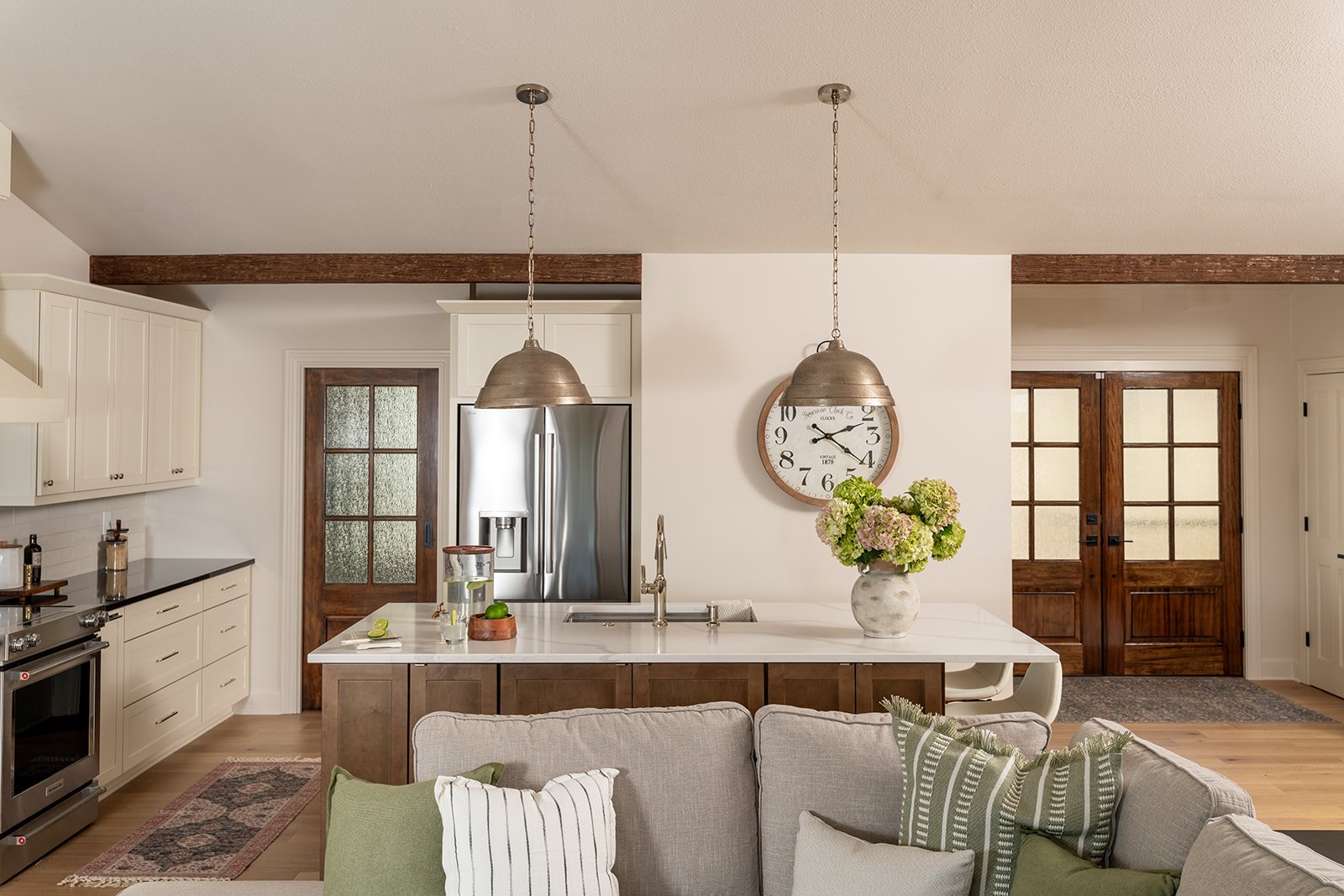
When homeowners start planning a remodel, square footage often becomes the starting point. More room for gathering. Bigger kitchens that promise better function. Larger bathrooms that suggest added comfort. It's easy to assume that more space will automatically make a home feel better to live in.
But once construction wraps up and daily routines return, square footage alone rarely tells the full story. What ends up mattering more is how the whole home flows.
Flow shapes how people move through a space, how rooms relate to one another, and how everyday routines play out. It influences whether a home supports the way a household lives, or small inconveniences show up day after day because the layout simply isn't optimal.
Why Size Doesn't Equal Comfort
A home can have a lot of square footage and still feel unintentional with its layout. It doesn't fix awkward circulation, disconnected rooms, or layouts that interrupt natural movement. Homes with poor flow tend to reveal themselves quickly. Entry points funnel traffic into tight spaces. One room feels too large, while another feels cramped and less functional.
These problems usually aren't caused by lack of space. They come from how the space is arranged. A good flow addresses these issues by focusing on movement and relativity instead of dimensions alone.
What Flow Actually Means in a Remodel
Flow in a home relies on practical design theory.
You notice it as soon as you walk through the front door and are welcomed toward the living room areas without stopping to reorient yourself. You notice it when two people can pass through the kitchen without interrupting what's happening. You notice it when a dining area feels connected during gatherings, yet still works for quieter moments.
When the flow of a home is working, spaces serve more than one purpose without friction. Furniture placement makes sense and movement throughout feels natural. The home is meant for day-to-day activities instead of needing constant adjustments.
When flow is missing, homeowners usually feel it before they can describe it. Certain areas get avoided. Layout limitations become habits. Movement feels like it's interrupted in small but persistent ways.
How Flow Reveals Itself Over Time
Some layout issues don't show up right away, but they can become more obvious as routines repeat. Morning traffic can expose bottlenecks near entryways. Evenings reveal kitchens that struggle under regular use. Hosting guests highlights separation between spaces that should feel connected. Over time these moments stop feeling like small inconveniences and start shaping how the home is used.
As households grow and change, these issues often become more noticeable. Children grow. Work-from-home routines move. Rooms are asked to serve new purposes. Layouts designed with flow i mind tend to handle these changes more easily. They allow spaces to adapt without losing function or needing workarounds.
Common Layout Issues in Existing Homes
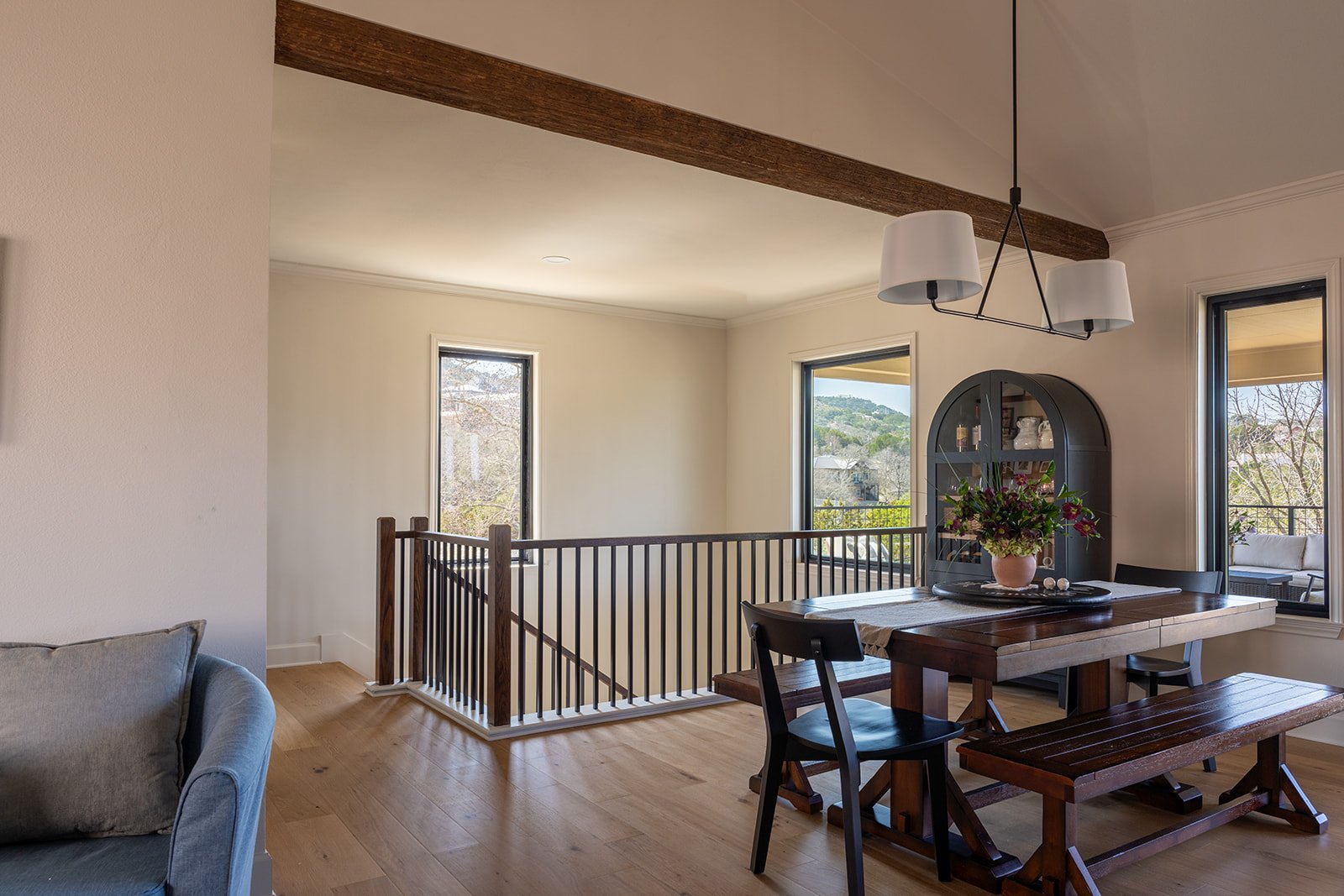
Many homes were designed for lifestyles that no longer reflect how people live today. Kitchens are positioned away from gathering spaces, hallways consume square footage without adding functionality, and rooms are sized without considering how their placement affects the spaces next to them.
Other challenges include entry points that aren't clearly defined, so traffic spills into living or work areas Hallways and walkways pass directly through spaces meant for cooking, gathering, or relaxing.
A lot of these issues are often solved by redistributing space versus adding it. This can be thanks to removing unnecessary barriers or rethinking how rooms relate to one another. It's about improving circulation through the home so movement feels intentional rather than forced.
Flow Is Determined Early
It's important for flow to be established during planning. These decisions determine how a home will function long after construction is complete. Understanding how people move through the space, wher activity tends to take place, and which areas benefit from separation helps inform every design choice that follows.
When Adding Square Footage Makes Sense
There are times when increasing square footage is the right choice. Growing households, accessibility needs, or homes that are genuinely undersized can benefit from expansion.
Even then, how the new space connects to the existing layout matters. When space is added without thinking through how it connects to the rest of the house, it can feel separated. Homeowners may have to walk through long hallways to reach it, move through rooms in an odd order, or pass through spaces that don't relate to each other naturally.
When additional space is planned with flow in mind, it strengthens the home and adds benefit to the day-to-day routines of the home.
How Flow Changes Daily Living
Morning routines are a great example to look at to see if flow is disrupted. Most mornings are rushed, with bags being grabbed and coffee being made —multiple people are moving through the same areas. A layout that isn't working turns these moments into congestion zones.
The same thing can happen in the evening. Cooking, homework, conversation, and downtime all overlap. When spaces aren't arranged with functionality for these situations in mind, the home can feel busier than it needs to. Over time, households adapt to these limitations by avoiding certain paths or no longer using rooms for their intended use. Routines are unknowingly built around the way the home functions.
Layouts designed with flow in mind support routines instead of working against them. Spaces are able to stay usable even when multiple things are happening at once. The home works with what's happening every day, rather than forcing people to work around it.
Rethinking What Improvement Means
Remodeling is often framed around expansion, but improvement doesn't always mean adding more space. In many cases, it means using the space that already exists more effectively. Refining layout, improving circulation, and strengthening the relationship between rooms can change how a home feels without increasing its footprint.
When planning a remodel, it's worth shifting the focus away from how much space can be added to how the home can work better. For many homeowners, the most meaningful change comes from living with a layout that supports them every day.