How Early Planning Shapes the Longevity of a Home Remodel
A remodel doesn't reveal its true quality on the final walkthrough day. It reveals itself over time, once routines pick back up and the home is lived in again. Months later, the space either continues to support daily life or it will begin to show friction in small, persistent ways. Longevity in remodeling is rarely about how nice the finished product looks. It's about how well the early decisions hold up once the home becomes used again.
Most homeowners begin a remodel with only visual changes in mind. New layouts, updated finishes, and refreshed spaces often take over the conversation. What's talked about less is when those decisions are made and how thoroughly they're thought through before construction begins. That early planning phase shapes how long a remodel feels right.
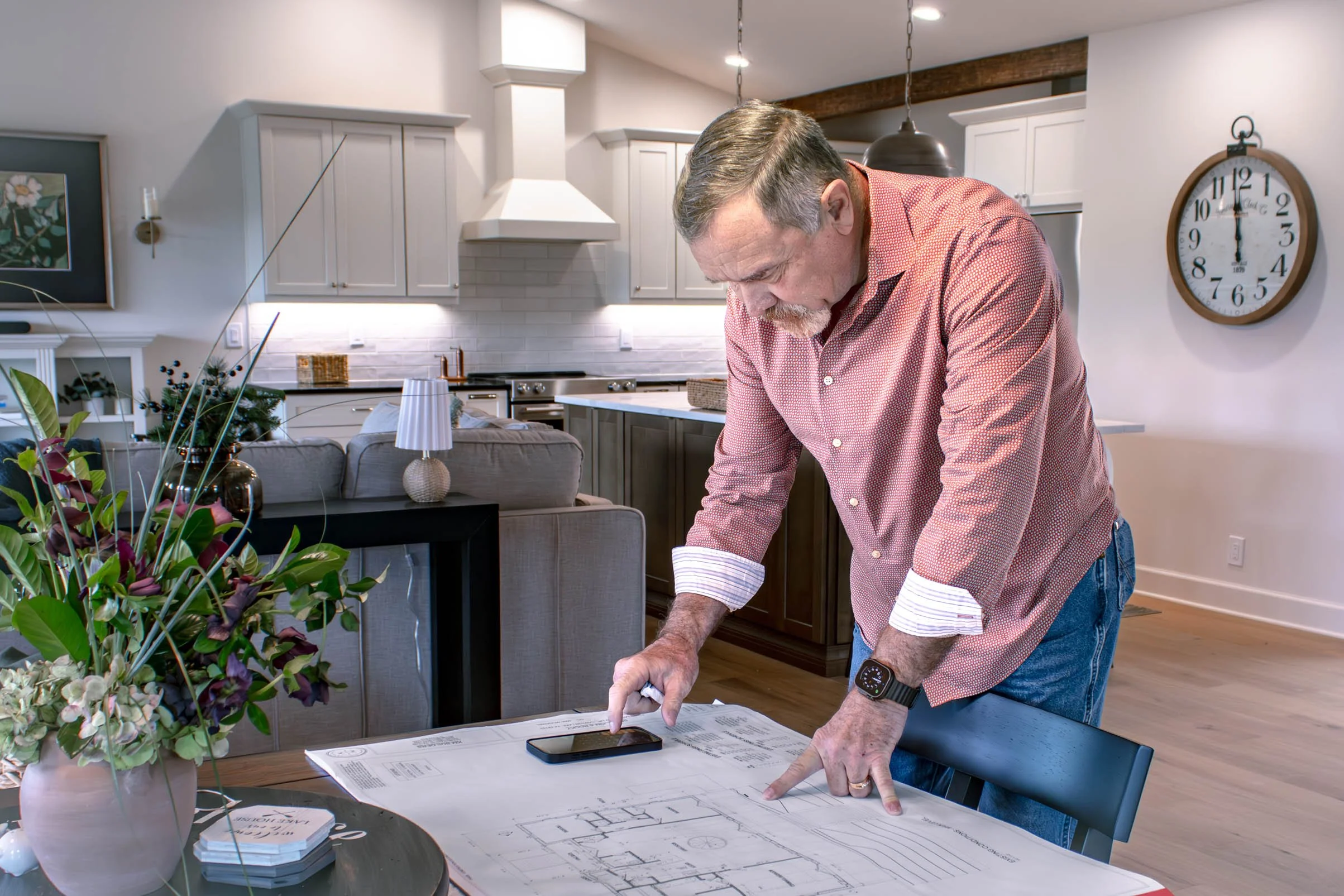
Where Longevity Really Begins
Longevity doesn't start with materials or finishes. It starts with direction. Early planning establishes how spaces relate to one another and how every idea can connect back to the original ideas. When the plan is laid out clearly, the rest of the project has something solid to follow instead of reacting to each new challenge as it appears.
Without that foundation, remodels tend to stray away from the end goal. When adjustments are made midstream, it is often to resolve immediate issues versus supporting long-term use. Over time, those reactive decisions can accumulate, and the home can feel less cohesive. Planning early keeps the project anchored, even as details evolve.
The Cost of Decisions Made Too Late
Many remodeling issues don't come from poor craftsmanship or lack of care. They come from timing. When decisions are delayed, they're often made under pressure while construction is already underway. Materials are selected quickly, layouts are adjusted on the fly, and compromises are accepted to keep the project moving.
Small choices that are rushed can create friction zones where certain rooms don't get used as intended, storage ends up being insufficient, or the flow feels awkward during daily routines. Early planning reduces the need for these trade-offs by creating space for thoughtful decisions before they become locked in.
Planning for the Way Homes Are Used
Planning for longevity starts by how a home is used now, not always on how a floorplan is laid out. Daily routines expose more about a layout than any floor plan ever will. Where people naturally pause, where traffic builds up, and where tasks overlap all point to what a home actually needs to support a home's function.
Early planning helps map out those patterns and shape the layout to support routines. This is how kitchens stop becoming high-traffic areas, workspaces stop competing with noise from other areas of the house, and storage is placed where it's actually needed. When planning complements current use, the home continues to function well even as routines grow and change.
Coordination Turns Plans Into Lasting Outcomes
A plan only lasts if it can be carried out well. Coordination between design decisions and construction realities determines whether a remodel holds up beyond the initial reveal. Layouts that look right but ignore structural constraints often require adjustments later. Material selections made without considering installation or long-term maintenance can create issues down the line.
Early coordination ensures that decisions are evaluated for how they'll be built, lived with, and maintained. It aligns intent with execution which reduces rework and prevents compromises that weaken the result. Longevity depends on this just as much as the design itself.
Regret Comes From Missed Questions
Most remodeling regret is rooted around how something functions. Homeowners rarely look back wishing they had chosen a different finish. They wish they had asked different questions earlier. Questions about how the home flows, storage, multi-functional pieces, and how the home would handle everyday use.
Getting these decisions right the first time takes a builder who's willing to take the time to ask the right questions before things ever begin. That's how KM Builders approaches every remodel. Getting these decisions right takes experience, coordination, and a willingness to do the work early. We'll make sure your remodel stands the test of time.